SNSHN
Progress Today. Stronger Tomorrow.
June–August Operations Update
From June through August, the focus has been on stabilizing distressed units, clearing deferred maintenance, and moving the portfolio from assessment into execution. Maintenance teams completed 743 work orders and logged 908.66 labor hours on distressed-unit work during the period.
The June–August record shows the scale of the work in both completed activity and dollars invested.
By the Numbers
Progress at a Glance
| Metric | June–Aug | Unit |
|---|---|---|
| Distressed-unit work orders | 743 | work orders |
| Maintenance labor on distressed units | 908.66 | labor hours |
| Cleanup / scheduled maintenance | $47,291.50 | expense |
| Repairs | $242,872.28 | expense |
| Capital expenses | $107,026.33 | expense |
| Direct cleanup + repair + capex | $397,190.11 | investment |
| Total operating expense | $497,086.81 | expense |
Figures combine the two expense statements provided for the June–August update.
The Work
June–August Progress
743 work orders were completed for distressed units, supported by 908.66 maintenance labor hours. The period combined high-volume repair work with cleanup, landscaping, scheduled maintenance, and capital rehabilitation.
Landscaping work brought grounds back to a maintainable condition, while gutter and exterior drainage work addressed water movement before fall and freeze conditions.
On the Ground
From the Field
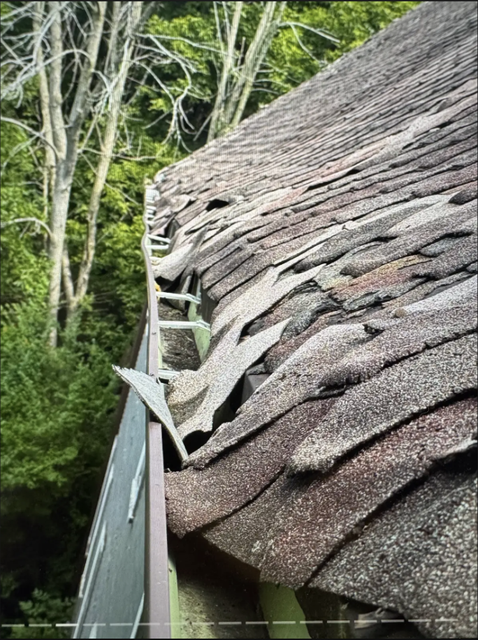
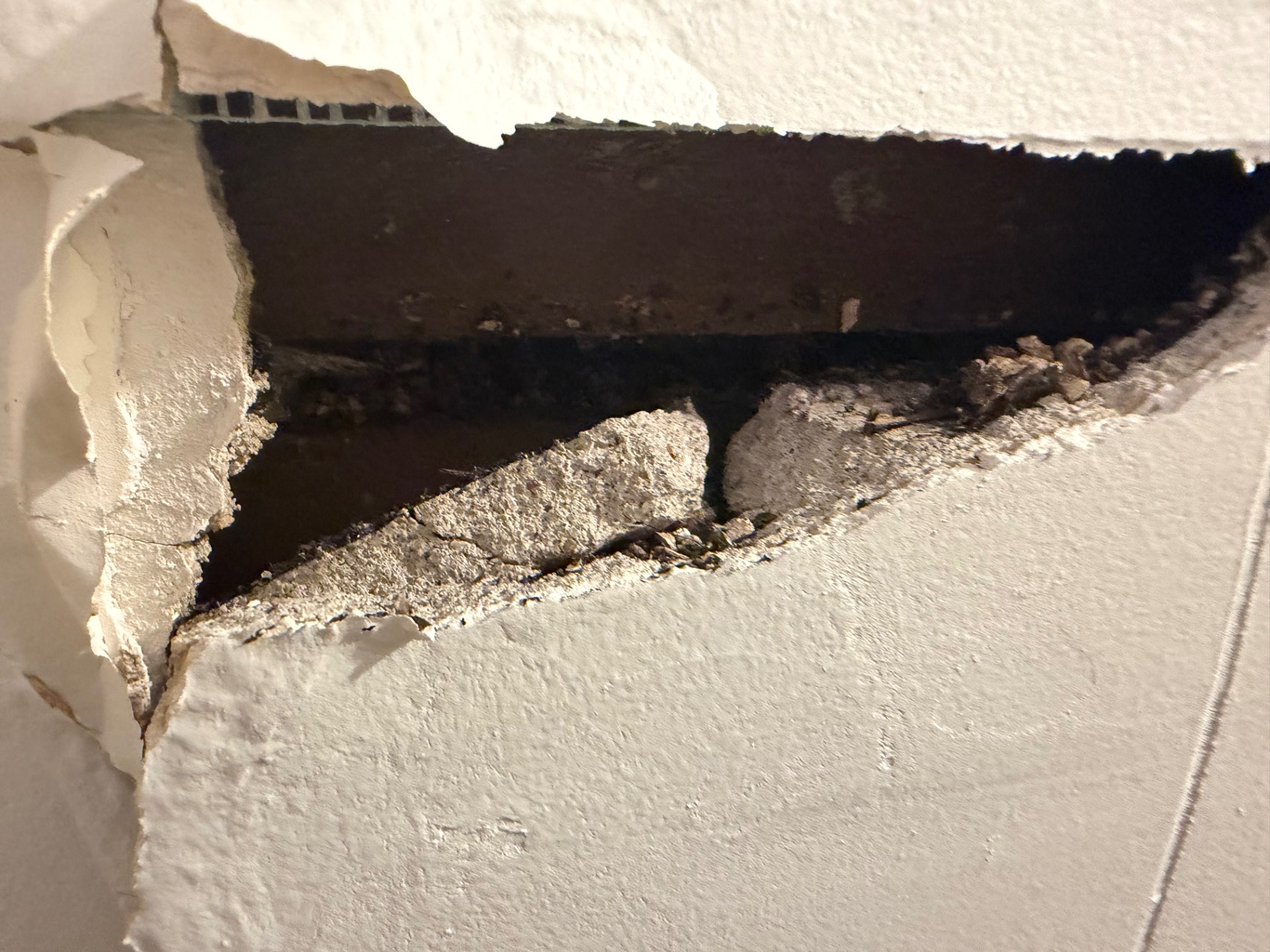
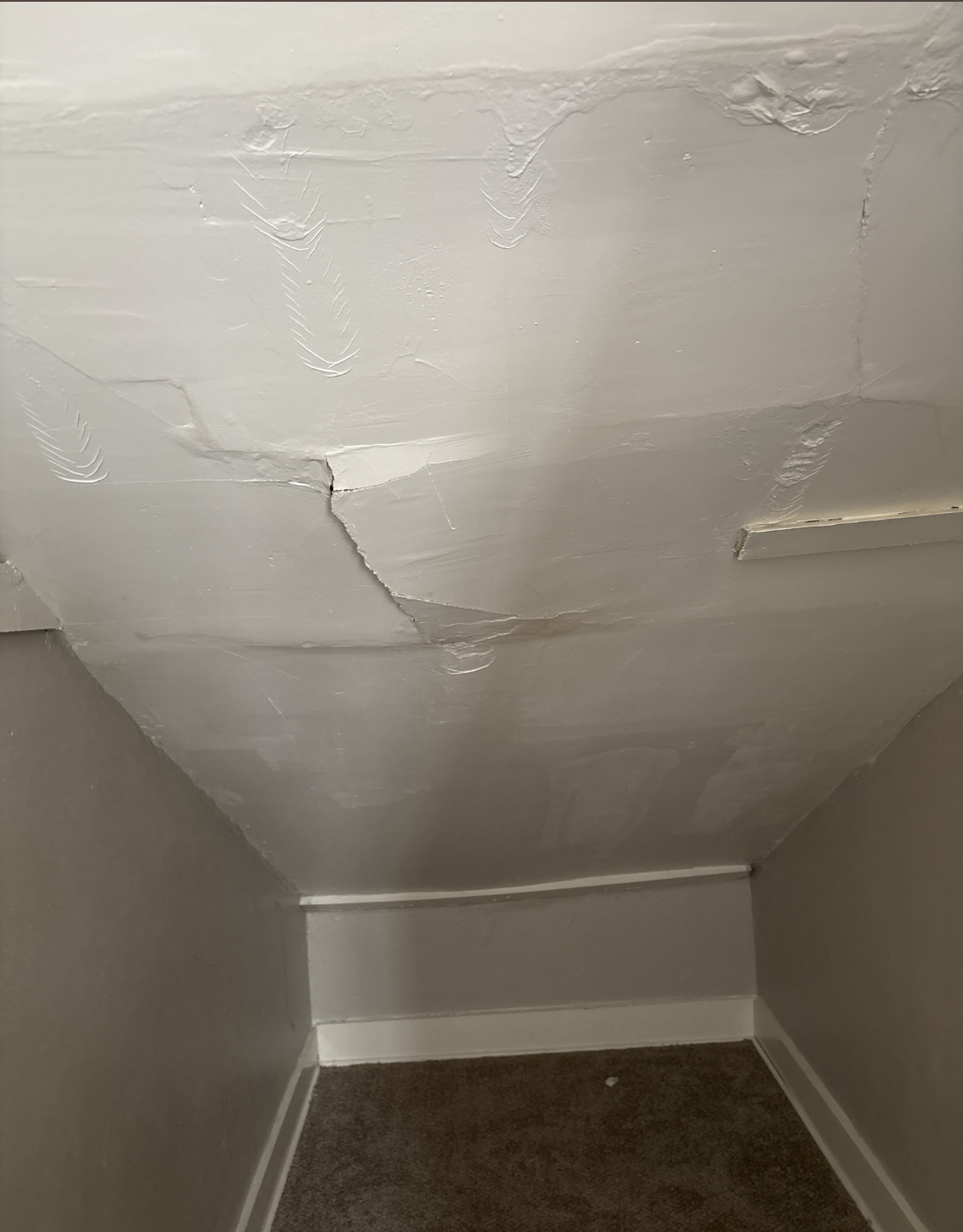
Across June through August, maintenance crews logged 908.66 labor hours against distressed-unit work and completed 743 work orders. The field work reflects a mix of repairs, cleanup, landscaping, scheduled maintenance, and capital rehabilitation.
Worth Saving
An Ongoing Documentary Record of This Work
The documentary exists because buildings like these usually get written off, and the record of what it actually takes to bring one back is worth having.
What Comes Next
What’s Next
Gutters — in progress, complete by end of August. Sequenced deliberately: we’re doing this during rain season rather than after it, because water intrusion compounds. A wall that stays wet through the fall becomes a mold call in the winter and a structural line item in the spring. Getting drainage right now prevents work we’d otherwise be paying for twice.
Working through rain season has one advantage: the weather is the inspection. “Complete” means every run cleared, pitched, and secured, every downspout discharging away from the building — and every building checked during actual rainfall, not signed off on a dry-day walkthrough. A run that still fails gets found the same week it was fixed, not next spring when the damage surfaces.
Progress Today. Stronger Tomorrow.
Building better homes. Strengthening neighborhoods. Elevating Milwaukee.
Get progress updates by email